Is This Course Site Legit? How to Verify an Online Course Platform Before You Pay
To check if a course site is legit, confirm four things before you pay: a working refund policy you can read in full, an instructor with a traceable professional history outside the platform, a secure and named payment processor at checkout, and independent reviews that exist somewhere other than the site's own testimonial page. If any one of these is missing or vague, treat that as a reason to slow down, not a reason to panic — but don't pay yet.
Online course platforms range from well-known names like Coursera and Udemy down to single-person operations selling a $400 "masterclass" through a landing page built last month. The business model — pay upfront for content you haven't seen — makes it an easy target for low-effort or outright fake operations. Here's how to check before you hand over your card number.
Is this course site legit? Start with the domain and company details
Look at the bottom of the homepage for a company name, physical address, and business registration number. A legitimate course business, even a small one, will usually list this on a "Terms of Service" or "Legal" page. If there's no company name anywhere — just a brand name and a contact form — that's worth noting.
Next, check how long the domain has been registered. Use a free WHOIS lookup tool (whois.com or ICANN's lookup at lookup.icann.org) and search the site's domain. A domain registered two weeks ago selling a "proven system" with thousands of students is a mismatch worth questioning. This isn't proof of a scam by itself — plenty of real businesses are new — but it's one data point among several.
Can you verify the instructor actually exists?
Search the instructor's name along with their claimed credential — "John Smith CPA," "Jane Doe Stanford," "Mark Lee Google engineer." You're looking for them in places the course site doesn't control: LinkedIn, a company bio page, conference speaker lists, a GitHub profile, published articles, or a university faculty page.
If the instructor has a LinkedIn profile, check when it was created and whether the work history lines up with what's claimed on the sales page. A profile with no connections, no posts, and a creation date of last month, attached to someone claiming "15 years in the industry," is a red flag. If you can't find the instructor anywhere outside the course platform itself, that's a stronger warning sign than a new domain alone.
What does the refund policy actually say?
Find the refund policy before checkout, not after. Read the actual window (7 days, 14 days, 30 days) and any conditions attached to it — some platforms only refund if you've watched less than 10% of the content, others exclude "bonus" materials from any refund at all. A site that mentions a money-back guarantee on the sales page but doesn't link to written refund terms anywhere is a problem: verbal guarantees on a landing page aren't enforceable the way a written policy is.
If you do pay and later want a refund, keep a screenshot of the policy as it appeared when you bought, since some sites edit these terms after the fact.
Is the checkout page actually secure?
Check the browser address bar for a padlock icon, which confirms the connection is encrypted — but don't stop there, since encryption alone doesn't mean the seller is trustworthy. More telling is who processes the payment. Look for a recognizable name at the actual payment step: Stripe, PayPal, Paddle, or a major card processor. These companies run their own fraud checks and have dispute processes you can use later.
If checkout redirects to an unfamiliar payment gateway, asks for a bank transfer, or asks you to pay through a personal payment app like Venmo or Zelle "to save on fees," stop. Those payment methods offer you little to no recourse if the course never materializes.
Where should you look for reviews that aren't on the site itself?
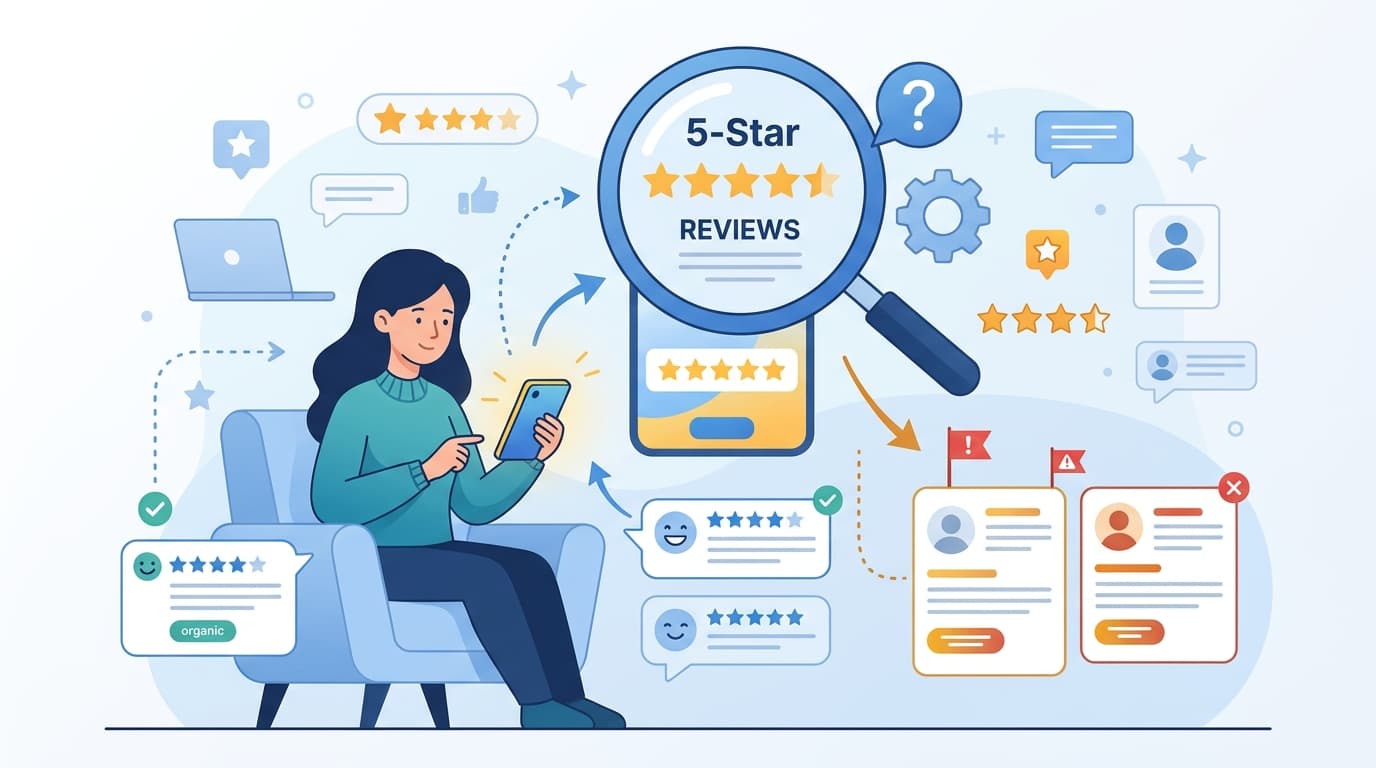
Testimonials on the sales page are chosen by the seller, so treat them as marketing, not evidence. Instead search the course name plus "review" on Reddit, plus the platform name on Trustpilot, and plus the instructor's name on YouTube, where former students sometimes post honest walkthroughs. For bigger platforms, check the Better Business Bureau listing for complaint patterns and how the company responded to them.
Pay attention to specifics in reviews — "the video quality was poor" or "support never responded after three emails" tells you more than a generic star rating. A total absence of any outside mentions for a platform that claims thousands of students is itself worth noting.
What should the course description actually tell you?
- A syllabus or module breakdown, not just vague outcome promises like "master X in 30 days"
- The total run time or number of lessons, so you know what you're actually buying
- Whether you get lifetime access or a limited enrollment window
- Whether certificates, if offered, are issued by the platform itself or by an accredited institution — these are not the same thing
If the sales page is long on urgency ("price goes up in 2 hours," a countdown timer that resets when you revisit the page) and short on what's actually inside the course, that's a sales tactic worth weighing against the actual content on offer.
What if the platform is brand new?
New platforms aren't automatically untrustworthy — every established course site started with its first cohort of students. The difference is how a new platform handles the trust gap. A legitimate new operation will typically offer a smaller-scale option first (a free preview lesson, a low-cost intro module) rather than asking for full payment upfront on a multi-hundred-dollar program. It will also have an instructor you can verify independently, even if the company itself is new.
If a new platform has no verifiable instructor, no written refund policy, an unfamiliar payment gateway, and no outside reviews at all, that combination — not any single factor — is what should make you hold off until you can find more information.
Frequently Asked Questions
How can I check how long a course website's domain has existed?
Use a free WHOIS lookup tool like whois.com or ICANN's lookup at lookup.icann.org and enter the site's domain name. This shows you the registration date, which you can compare against claims on the sales page, such as a site saying it has 'thousands of students' despite the domain being only a few weeks old. A brand-new domain isn't proof of a scam on its own, but it's one data point to weigh alongside the others.
Is it a red flag if a course platform only has testimonials on its own site?
Yes, testimonials that exist only on the platform's own page are not independent verification since the site controls what gets published there. Legitimate course reviews usually also show up on third-party sources like Trustpilot, Reddit threads, YouTube reviews, or course-comparison sites. If you search the course name and find nothing but the site's own testimonial page, treat that as a missing piece rather than confirmation.
What should a legitimate refund policy include?
A legitimate refund policy should be written and linked somewhere on the site before you check out, not just mentioned verbally on the sales page. It should specify an actual time window, such as 7, 14, or 30 days, and list any conditions, like limits on how much content you can have watched or exclusions for bonus materials. If a site only advertises a 'money-back guarantee' without linking to written terms, that guarantee isn't enforceable the way a documented policy is.
Why are online courses an easy target for scams compared to other online purchases?
Online courses require payment upfront for content the buyer hasn't seen or tested yet, unlike a physical product you can inspect or return. This pay-first model makes it simple for low-effort or fake operations to collect money and disappear, especially when the production cost of a course (slides, recorded video) is low compared to the price charged. That's why verifying the instructor, company details, and refund terms before paying matters more than it would for many other purchases.