Buying From a New Online Store? Do This First
Before you enter your card details on a store you've never heard of, spend five minutes checking it out. The fastest way to know how to check if an online store is legit is to look at four things: a real, verifiable address and phone number, independent reviews outside the store's own site, a working return policy with a physical return address, and a secure checkout with normal payment options. If any of those come back empty or vague, slow down.
New stores pop up constantly, and most are fine — someone selling handmade candles or running a niche dropshipping shop isn't automatically a scam. But a small number are built specifically to take your money and disappear, and they're easy to miss if you're moving fast or clicked through from an ad. Here's what to actually check before you buy.
How to check if an online store is legit before you pay
Run through this before entering any payment information:
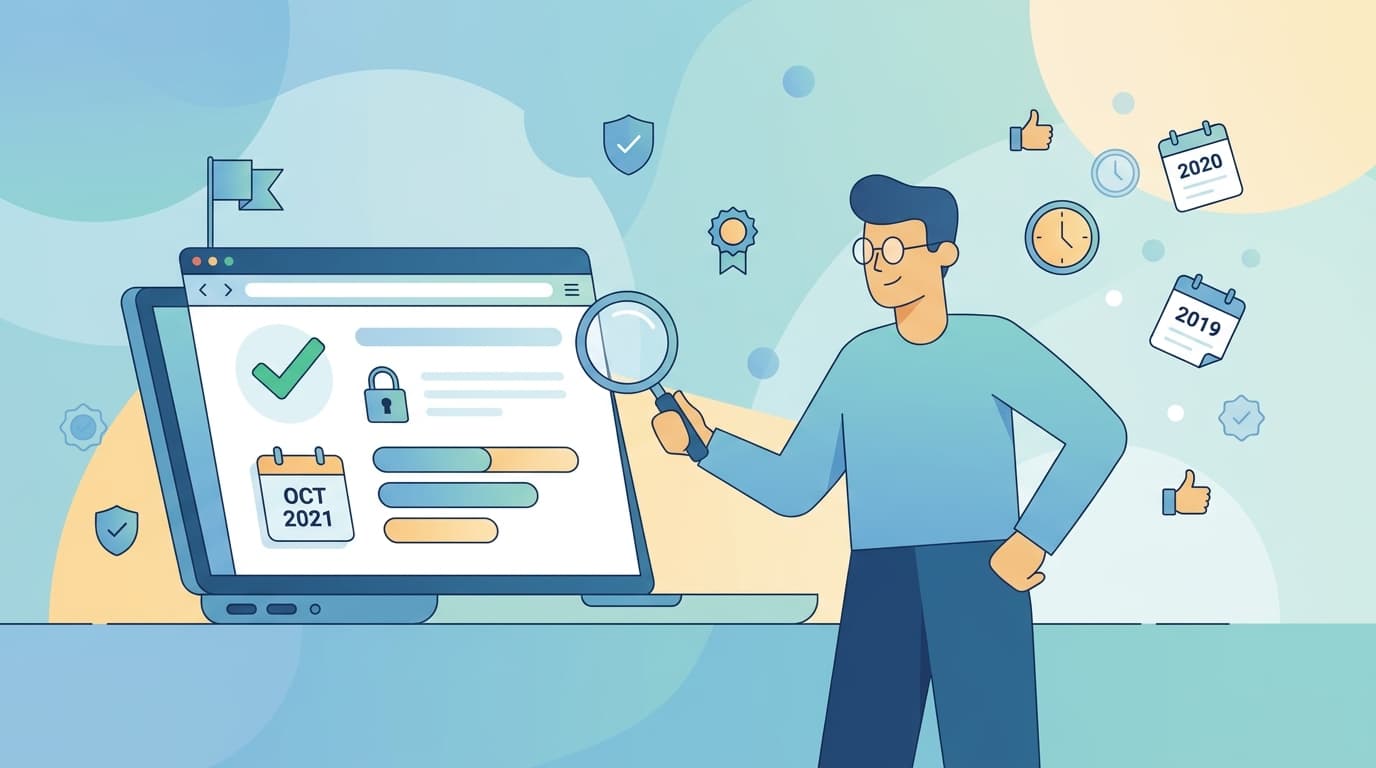
- Look up the domain age. Go to a free WHOIS lookup tool (like whois.com) and search the store's domain. If the site was registered three weeks ago but claims to be an "established" brand with thousands of happy customers, that's a mismatch worth noting.
- Search for the business name plus "reviews" on Google, not just on the store's own testimonials page. Check Trustpilot, Reddit, and the Better Business Bureau site if it's a US-based store. A brand-new store with zero mentions anywhere outside its own pages is a flag, not proof of guilt, but a flag.
- Find a real street address. Scroll to the footer or the "Contact Us" page. A legitimate store usually lists a physical address you can paste into Google Maps. If it only gives an email form or a PO box with no other details, that's worth factoring in.
- Check the return and refund policy. It should state a specific number of days, a process for initiating a return, and who pays shipping. Vague language like "contact us for details" with no further specifics is common on low-effort scam sites.
What does the checkout page tell you?
The checkout is where most scam stores give themselves away, because faking a secure payment flow takes real effort.
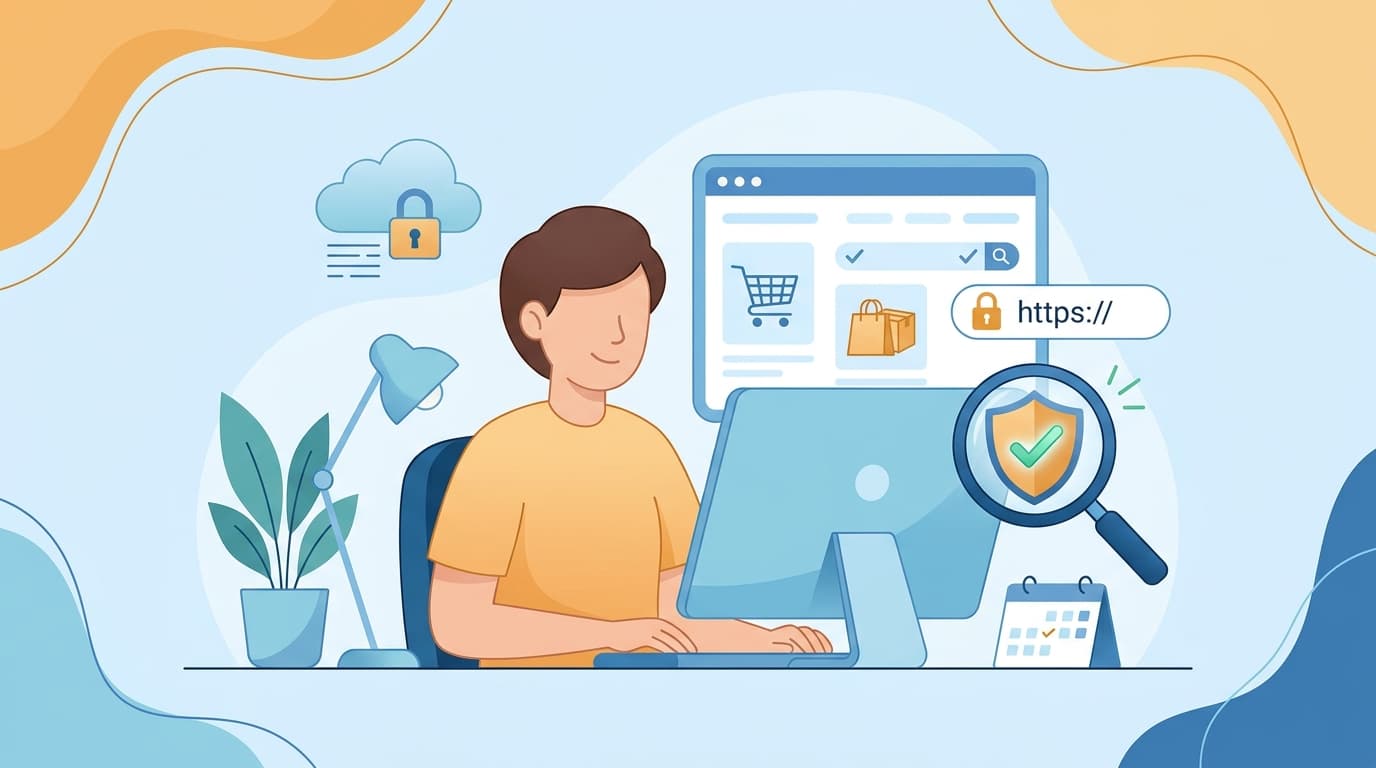
- Check for HTTPS. Click the padlock icon in your browser's address bar. This confirms the connection is encrypted, but note it does not confirm the business itself is trustworthy — scammers can and do get HTTPS certificates too. Treat it as a minimum requirement, not a green light.
- Look at the payment options offered. Legitimate stores typically accept credit cards through processors like Stripe or PayPal, both of which offer buyer protection and dispute processes. If a store insists on wire transfer, cryptocurrency, or direct bank deposit as the only option, that's a serious warning sign — those payment methods are very hard to reverse.
- Use a credit card, not a debit card, if you decide to buy. Credit cards give you chargeback rights through your card issuer. Debit cards pull straight from your bank account with weaker dispute protections in most cases.
How do I spot fake reviews on a store's own site?
Testimonials on the store's own product pages are the easiest thing for a scam operator to fabricate. A few patterns to watch for:
- Reviews that are all five stars, all posted within the same few weeks, with no photos and generic phrasing like "great product, fast shipping."
- Reviewer names with stock photo profile pictures, or no photos at all, repeated across multiple unrelated products.
- No negative or even neutral reviews anywhere — real products accumulate at least a few 3-star complaints about sizing, shipping delays, or packaging over time.
To get a more honest picture, search the exact product name plus the word "review" on Google, or check if the same item is listed on a marketplace like Amazon or Etsy where reviews are harder to fake.
What should the "About" and "Contact" pages actually include?
A real company usually isn't shy about who runs it. Look for a named founder or team, a company registration number (common on UK and EU stores), or a social media presence that existed before the store launched. Check the store's Instagram or Facebook page: an account created the same month as the website, with few followers and only product photos lifted from elsewhere, tells you the operation is brand new and unproven. That's not automatically fraud, but it means you're taking on more risk than buying from an established retailer.
What's the safest way to make a first purchase from a new store?
If the store passes the checks above but you're still unsure, you don't have to commit fully on the first order:
- Start with a small, inexpensive item rather than a large order, to see how fulfillment and communication actually go.
- Screenshot the product page and the price before you buy, in case the listing changes or disappears later.
- Check your card statement a few days after ordering. The merchant name that appears should roughly match the store you bought from — a totally unrelated company name is worth a quick follow-up call to your card issuer.
- Note the estimated delivery window and set a calendar reminder for it, so you notice right away if the order is silently delayed past what was promised.
When should you just walk away?
Skip the purchase if you find more than one of these together: no physical address anywhere, a domain registered within the last month, only crypto or wire transfer accepted, reviews that exist only on the store's own site, and prices that are dramatically below what the same item sells for elsewhere. Any one of these alone might have an innocent explanation. Several at once, on a store asking for your card number, is not worth the risk for a discount.
Frequently Asked Questions
Does a padlock icon or HTTPS mean a store is safe to buy from?
No. HTTPS only confirms that the connection between your browser and the site is encrypted, not that the business behind it is honest. Scammers can and do obtain HTTPS certificates for fake stores, so treat it as a baseline requirement rather than proof of legitimacy.
Is it safe to buy from a brand-new online store?
Not automatically unsafe, but it deserves extra scrutiny. Many new stores, like a small candle maker or dropshipping shop, are completely legitimate, but a store that claims to be an established brand while its domain was registered only weeks ago (checkable via a WHOIS lookup) is a mismatch worth noting before you pay.
Why should I use a credit card instead of a debit card when buying from an unfamiliar store?
Credit cards give you chargeback rights through your card issuer, so you can dispute a charge if the store never ships your order or turns out to be fraudulent. Debit cards pull money directly from your bank account and generally offer weaker dispute protections, making it harder to recover your funds.
What payment methods should make me suspicious when checking out?
Be cautious if a store only accepts wire transfer, cryptocurrency, or direct bank deposit, since these payment methods are very difficult to reverse once sent. Legitimate stores typically offer credit card processing through providers like Stripe or PayPal, which include buyer protection and formal dispute processes.