How to Check If a Charity Website Is Legitimate Before You Donate
To check if a charity website is legit, look up the organization on a registered charity database like Charity Navigator, GuideStar/Candid, or the IRS Tax Exempt Organization Search, confirm its physical address and tax ID appear on the site, and check how it handles payment (a real nonprofit uses a secure, named payment processor, not a generic wire transfer request). If any of these pieces are missing or don't match, treat the site as unverified until you can confirm it elsewhere.
Scam charity sites spike after natural disasters, during the holidays, and whenever a crisis is in the news, because that's when people give fastest and check slowest. The good news is that verifying a charity takes about five minutes if you know where to look.
Is charity website legit? Start with these three checks
Before you type in a card number, run through this short list:
- Registration status: Search the charity's name on Candid's GuideStar (guidestar.org) or the IRS's Tax Exempt Organization Search (irs.gov/charities-non-profits/tax-exempt-organization-search). A legitimate US nonprofit will have an EIN (Employer Identification Number) you can look up there.
- Third-party rating: Charity Navigator and CharityWatch independently rate thousands of nonprofits on financial health and transparency. If a charity has existed for more than a year or two and still has no listing, that's worth noting, not ignoring.
- Domain details: Run the site's domain through a WHOIS lookup (whois.com or icann.org/whois). A charity that's been operating for years should have a domain registered more than a few months ago.
How do I find a charity's registration number?
In the US, every legitimate 501(c)(3) nonprofit has an EIN, the same type of ID a business uses for taxes. A trustworthy charity site will list this number in its footer, "About" page, or annual report. You can then confirm it directly on the IRS Tax Exempt Organization Search tool, which also tells you whether the charity's tax-exempt status has been revoked.
Outside the US, the equivalent is a national charity register: the UK has the Charity Commission register (register-of-charities.charitycommission.gov.uk), Canada has the CRA's List of Charities, and Australia has the ACNC Charity Register. If the organization claims to operate in one of these countries, search its name directly on the relevant register rather than trusting a badge or seal displayed on the charity's own website, since those images can be copied by anyone.
What does a fake charity website usually get wrong?
Fake or scam charity sites tend to repeat the same mistakes:
- No physical address or named leadership. Real nonprofits list a mailing address and usually name their executive director or board on an "About" or "Leadership" page.
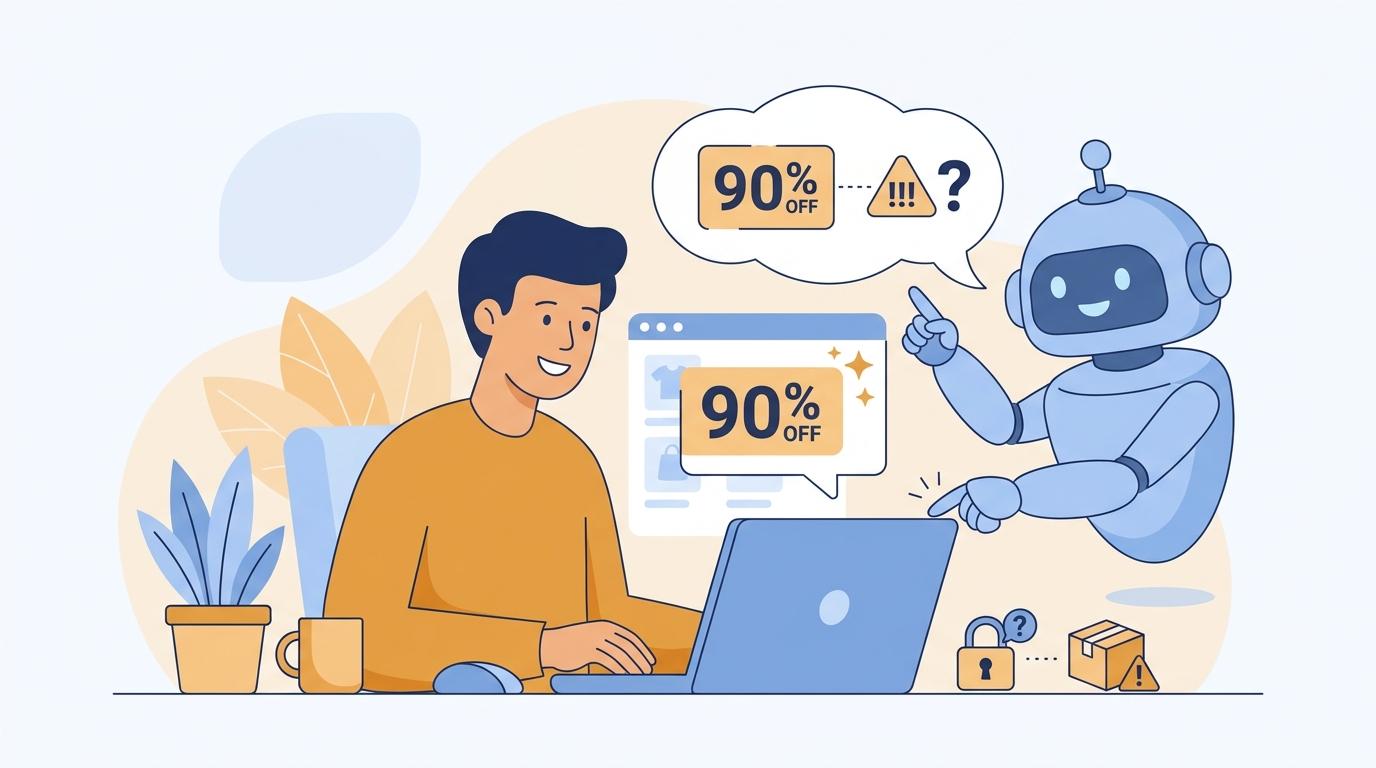
- Pressure to give immediately. Countdown timers, "URGENT" banners, or messaging that discourages you from researching the cause first are red flags.
- Payment requests outside normal channels. Be cautious of any charity asking for gift cards, cryptocurrency-only donations, or a direct bank wire. Legitimate charities almost always offer credit card or PayPal donation options through a recognizable, secure payment page.
- A domain name that's close but not exact. Scammers register names like "redcross-relief.org" or "unicef-donate.net" that mimic a known charity. Check the domain carefully against the organization's official site, which you can find through a direct Google search of the organization's legal name.
- Vague descriptions of where the money goes. Legitimate charities publish a Form 990 (in the US) or annual report showing what percentage of donations goes to programs versus overhead and fundraising. If this information isn't on the site and isn't available through GuideStar, ask for it directly before donating.
How can I verify a charity's financial transparency?
Look for a Form 990 — the annual information return US nonprofits file with the IRS — either linked on the charity's own site or searchable through GuideStar for free. This document shows total revenue, how much went to programs versus administrative costs, and executive compensation. CharityWatch and Charity Navigator both translate this into a simple efficiency rating, often expressed as a percentage of donations spent on the actual cause.
As a rough benchmark, charities that spend less than 65% of their budget on programs (and more than a third on overhead or fundraising) are worth a second look, though this varies by cause and size, especially for newer or disaster-response organizations with higher startup costs.
What else should I check before entering payment details?
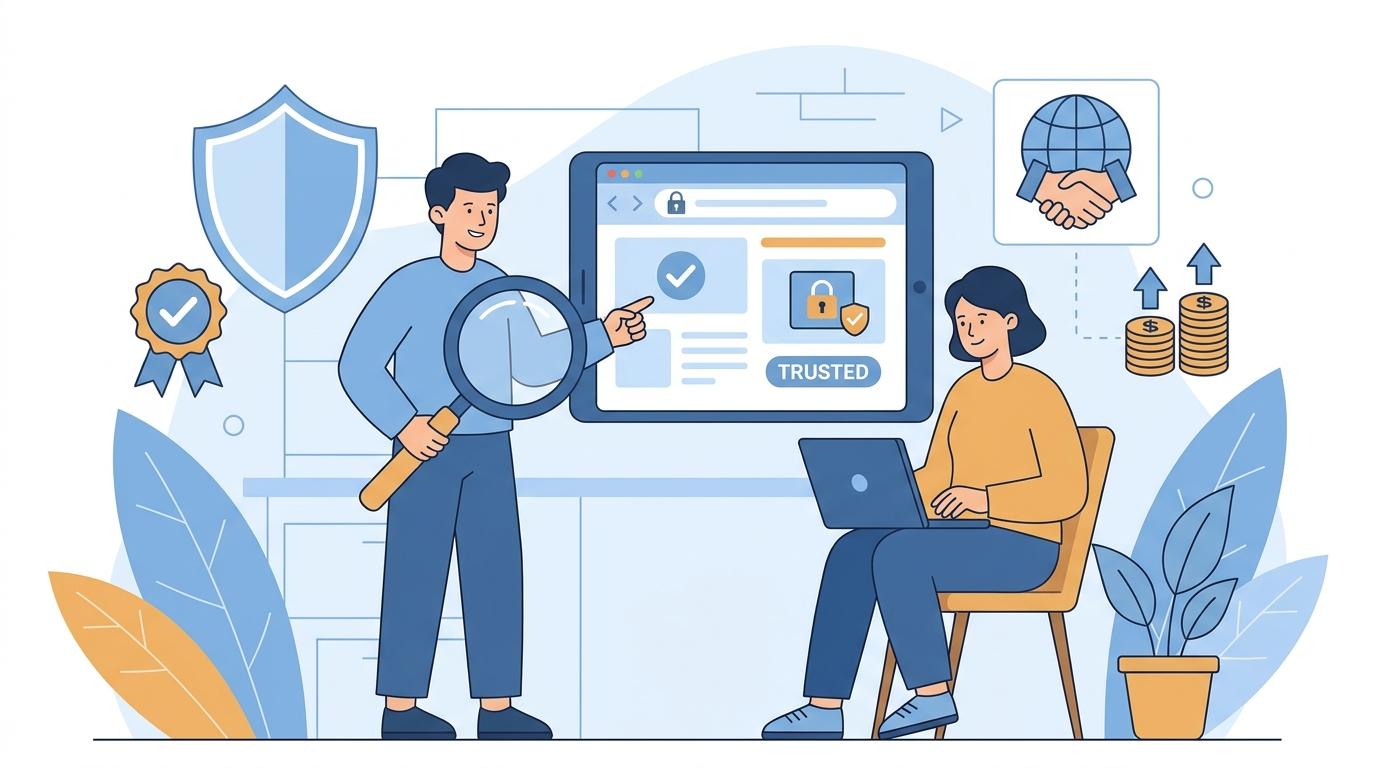
- The URL starts with "https://" and the payment page is hosted by a recognizable processor (PayPal, Stripe, Classy, Network for Good) rather than a form that looks custom-built with no security indicators.
- Independent news coverage or reviews exist. Search the charity's name plus "reviews" or "complaints." A charity active for several years should have some independent mentions beyond its own site and social pages.
- Contact information actually works. Email the listed address or call the listed phone number before donating a large amount. A legitimate organization responds; a fake one often has a dead line or a generic inbox that bounces.
- The cause matches the ask. If a site claims to support a specific disaster or local cause, check if that claim is corroborated anywhere else, like local news coverage or the official response organizations for that event.
What should I do if I can't verify a charity?
If you spend a few minutes and still can't find the charity on GuideStar, the IRS database, or a national charity register, don't donate through that site directly. Instead, search for the cause through a platform you already trust, like a well-known national or local charity working in the same area, or give through an established donation platform that already vets the organizations it lists. You can always revisit the original charity once you've confirmed independently that it's real.
A few minutes of checking won't slow down a genuine charity's ability to use your donation, but it will stop a fake one from ever getting the chance.
Frequently Asked Questions
What is the fastest way to tell if a charity website is legit?
Search the organization's name on Charity Navigator, GuideStar/Candid, or the IRS Tax Exempt Organization Search to confirm it's registered. Then check that the site lists a physical address and tax ID (EIN) that match what's on those databases. The whole process usually takes about five minutes.
Can a charity be legitimate even if it's not listed on Charity Navigator or CharityWatch?
Yes, very new or small charities may not yet have a rating since these services typically need time to gather financial data. However, if a charity claims to have existed for more than a year or two and still has no listing anywhere, that absence is worth investigating further rather than dismissing. Cross-check its EIN on the IRS Tax Exempt Organization Search as a backup.
How can I verify a charity that operates outside the United States?
Check the national charity register for that country instead of relying on US-based tools: the UK has the Charity Commission register, Canada has the CRA's List of Charities, and Australia has the ACNC Charity Register. Search the organization's name directly on the official register site rather than trusting a trust badge or seal shown on the charity's own website, since those images can be copied by anyone.
Does a charity website's domain age reveal anything about its legitimacy?
Yes, running the domain through a WHOIS lookup tool like whois.com or icann.org/whois shows when it was registered. A charity that claims to have operated for years but has a domain registered only a few months ago is a mismatch worth questioning before donating.