Second-Hand Marketplace Safety: What to Check Before You Buy or Sell
Marketplace safety comes down to three things: verifying who you're dealing with before you commit money, using a payment method that lets you dispute a charge if something goes wrong, and never handing over cash or goods in a situation you can't control. Platforms like Facebook Marketplace, Craigslist, OfferUp, and Vinted all carry the same basic risks: fake listings, non-paying buyers, non-shipping sellers, and in-person meetups that go badly. Most of these risks are avoidable if you check a handful of specific things before you commit.
What should I check before buying from a secondhand marketplace?
Before you send money or agree to meet someone, look at the account itself, not just the listing.
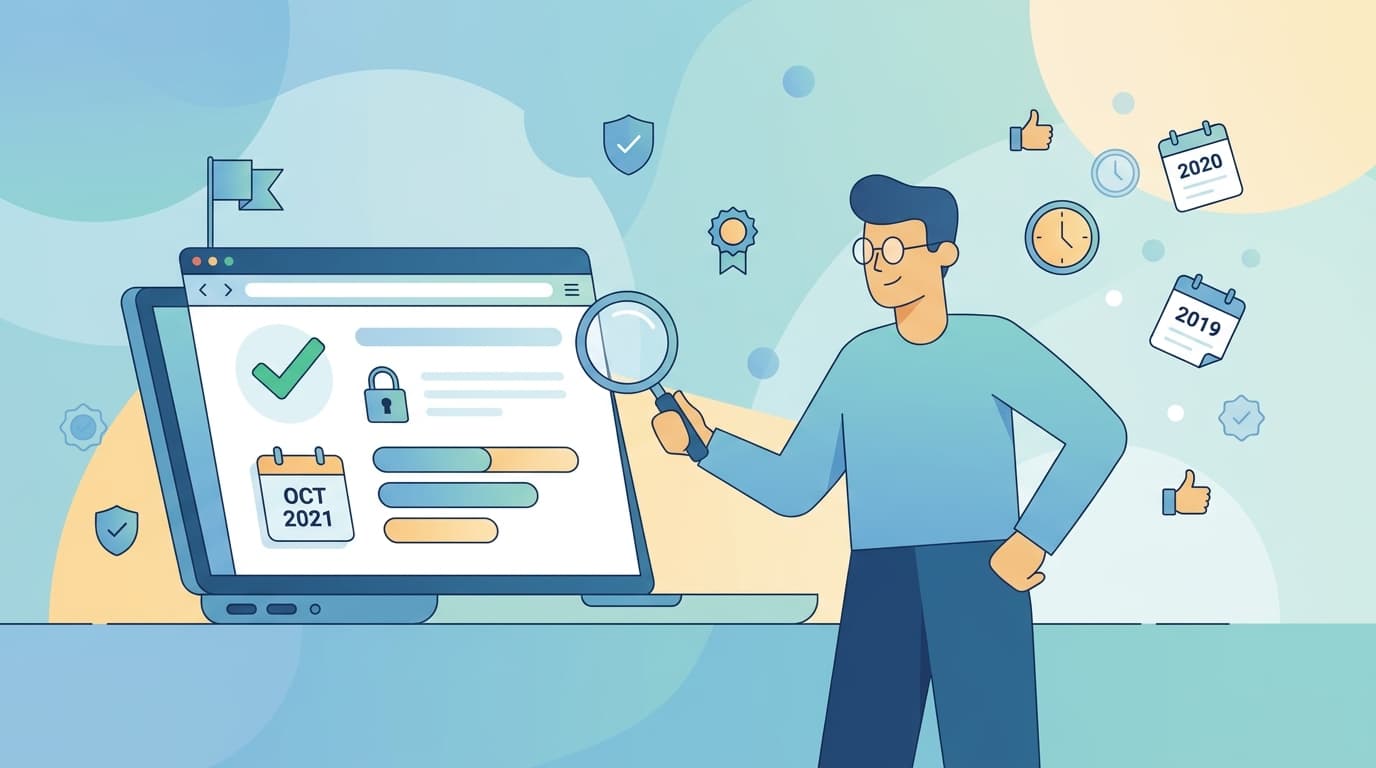
- Account age: On Facebook Marketplace, tap the seller's name and check "Joined Facebook in [year]." An account created in the last few weeks, selling a $1,200 laptop, is a reason to slow down.
- Profile history: A real person's profile usually has photos, friends, and posts going back years. A profile with one photo and no activity is a common sign of a throwaway account built just to post scam listings.
- Listing photos: Right-click the main photo and run a reverse image search (Google Images or TinEye). Stock photos or images pulled from a retailer's website, instead of a photo of the actual item, are one of the most common scam markers.
- Price versus condition: If a used iPhone 14 Pro is listed at half the going rate for no stated reason, assume there's a catch — stolen goods, a locked device, or a listing that doesn't actually exist.
- Location consistency: If the seller claims to be local but keeps pushing to "ship it instead" once you ask to meet, that's a shift worth noticing. It's a common move when there's no item to hand over.
How do I know if a seller or buyer is legitimate?
Ask for a short video call or a live photo with a handwritten note (today's date, your username) before you pay for anything shipped. Scammers running multiple listings at once generally won't bother with a custom request like this — it breaks their system.
If the person is selling through a platform that shows reviews (eBay, Etsy, Vinted, Depop), read the negative reviews specifically, not just the star rating. A seller with 200 reviews and a 4.8 average can still have a pattern of "item never arrived" complaints clustered in the last month, which matters more than the overall score.
For buyers on your own listing, be wary of anyone who agrees to your price instantly without asking a single question, then immediately asks to pay by a method you didn't offer (a check for more than the asking price, a wire transfer, a "business" PayPal invoice). This combination is a well-documented overpayment scam pattern: they send a check for more than the price, ask you to refund the difference, and the original check later bounces.
What payment methods are actually safe for secondhand sales?
For local, in-person deals, cash remains the simplest and safest option — no chargebacks to dispute, no bank details exchanged, nothing to reverse after the fact. For anything shipped, use a payment method that includes buyer protection:
- PayPal Goods & Services — gives you a formal dispute process if the item never arrives or isn't as described. PayPal "Friends & Family" offers none of this, which is exactly why scammers ask for it.
- Credit cards — carry chargeback rights through your card issuer, separate from whatever the seller or platform offers.
- Platform-integrated checkout (eBay, Etsy, Vinted) — payment is held until the item is confirmed received, which protects both sides.
Avoid wire transfers, gift cards, cryptocurrency, and payment apps' "friends and family" option for any transaction with a stranger. None of these can be reversed or disputed once sent, which is precisely why scammers ask for them specifically.
Where should I meet someone to complete a sale?
Many local police departments now designate "safe exchange zones" in station parking lots, specifically for Craigslist and Marketplace transactions — these are usually covered by security cameras and in a public, well-lit area. Search "[your city] police safe exchange zone" to find one near you.
If a designated zone isn't available, pick a busy public location with people around — a shopping center lot during daylight hours works well. Bring a friend if you can, and tell someone else where you're going and who you're meeting. For higher-value items like electronics or jewelry, meet during business hours at a bank lobby, where you can also verify any cash you're handed isn't counterfeit.
Never invite a stranger into your home for a transaction, and be cautious about going into someone else's home or building alone. If a buyer or seller insists on an unusual location — a secluded street, a late-night meeting, somewhere far from where the item is supposedly located — that's a reason to cancel, not compromise.
What are the biggest red flags in secondhand marketplace listings?
- A seller who refuses any form of video call, live photo, or additional listing photo when asked directly.
- Urgency pressure — "I have three other buyers, you need to pay a deposit now to hold it."
- A price well under market value with a vague or shifting explanation for why.
- A request to move the conversation off the platform (to text or WhatsApp) immediately after first contact — this removes the platform's record of the conversation if a dispute happens later.
- Any request for a deposit before you've seen the item in person or on a verified call.
- A buyer who sends a payment confirmation screenshot instead of you actually checking your own account balance — screenshots can be faked; your bank or PayPal balance cannot.
What should I do if a deal already went wrong?
If you paid through PayPal Goods & Services, a credit card, or a platform checkout, open a dispute immediately — most have time limits, often 180 days or less, and some much shorter. Report the listing and the account to the platform itself (Facebook, Craigslist, OfferUp all have a "report" option on the listing and the profile), since this is what gets other scam listings from the same account taken down. If money was wired, sent via gift card, or paid in crypto, contact your bank or the card network regardless — recovery isn't guaranteed, but it's worth attempting. For in-person incidents involving theft or counterfeit cash, file a police report; this is also required if you want to pursue a claim later.
Frequently Asked Questions
Is it safe to pay for a secondhand item using a personal check?
No, personal checks carry high risk because they can bounce days after you've already handed over the item or shipped it. This is the basis of the common overpayment scam, where someone sends a check for more than the asking price and asks for the difference back by wire transfer before the check clears. If a buyer insists on paying by check, especially for more than the listed price, treat it as a warning sign rather than a convenience.
Should I meet a stranger at my own home to complete a marketplace sale?
No, meeting at a private home is one of the riskier choices you can make for an in-person exchange. Safer alternatives include public, well-lit locations with other people around, and some police departments even designate specific parking lots as monitored exchange zones for online sales. The core safety principle is never handing over cash or goods in a situation you can't control, and your own home removes that control.
How can I spot a fake listing before even contacting the seller?
Run the listing's main photo through a reverse image search tool like Google Images or TinEye to check whether it's a stock photo or pulled from a retailer's site rather than an actual photo of the item. Also compare the price to typical going rates for that item's condition; a steep, unexplained discount usually signals a catch such as stolen goods or a listing that doesn't really exist. Combining this check with a look at the seller's account age and profile history catches most fake listings before you ever send a message.
Does having a lot of positive reviews mean a marketplace seller is trustworthy?
Not necessarily. A seller can have hundreds of reviews and a high average rating like 4.8 while still having a cluster of recent complaints about items never arriving, which is a more reliable warning sign than the overall score. Always read the negative reviews directly, and pay closer attention to recent ones over older ones, since a seller's reliability can change over time.